

Success Stories
Turning Curiosity Into Credentials.
SciStarter
Making the skills behind citizen science visible and portable.
SciStarter is a research affiliate of Arizona State University and North Carolina State University, supported by the National Science Foundation, NASA, the National Library of Medicine, and the Gordon and Betty Moore Foundation. It connects millions of people with thousands of scientific research projects—and has nearly 200,000 registered members contributing to real research worldwide.
Citizen scientists were building genuine, measurable skills. But without a formal credentialing infrastructure, those skills were invisible—unverifiable to employers, unrecognized by institutions, and unportable beyond the platform. SciStarter brought in MCM to change that.
By the Numbers
A credential ecosystem built on participation at scale.
SciStarter connects accessible training, skills-aligned credentials, and real scientific participation—making learning and contribution more visible, verifiable, and portable.
Skills-Aligned Badges Awarded
Stackable Credentials Across the Portfolio
Of Participants Reported Greater Understanding
Citizen Scientists Completed a SciStarter Training Module
Data Contributions to Affiliate Projects
SciStarter connects what people learn with what they contribute, creating recognition grounded in both preparation and real-world scientific participation.
The Work
Co-creating a credential program built to grow.
SciStarter engaged MCM as a credentialing subject-matter expert to help translate citizen science learning into trusted recognition. The work began with one foundational credential and established the strategy, evidence, skills language, and technical structure needed to expand sustainably over time.
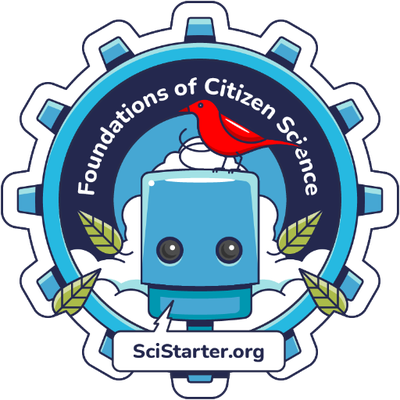
Start With a Shared Foundation
The first badge established what credible citizen science recognition could look like.
MCM supported SciStarter in defining the criteria, learning outcomes, competencies, and assessment expectations behind the Foundations of Citizen Science badge. It became the common starting point for the program—and the prerequisite for many credentials that followed.
Co-create the strategy
Define the role of digital credentials within SciStarter’s learning ecosystem and establish a model that could expand over time.
Foundations was positioned as the gateway credential and common starting point for future learning pathways.
Define the evidence
Translate training into clear earning criteria, learning outcomes, competency statements, and verifiable Open Badge metadata.
The Foundations badge verifies four named skill areas and requires an assessment score of 80% or better.
Make skills legible
Align credential competencies to a recognized skills language so the learning could be understood beyond the SciStarter platform.
Badge competencies were mapped to Lightcast’s Open Skills Library and embedded directly in the credential metadata.
Build for progression
Configure Canvas Credentials and establish prerequisite relationships that support stackable learning and future portfolio growth.
Foundations became a prerequisite for specialized credentials such as Libraries as Community Hubs and SciStarter Ambassador.
The Skills Ecosystem
One architecture. Nine credentials. Audiences across citizen science.
Citizen scientists, librarians, higher-education faculty, data practitioners, and community facilitators each bring a distinct set of skills to citizen science. MCM designed a single credential architecture that could recognize all of them, with each badge built to the same rigorous standard of evidence, competency mapping, and verifiable metadata.
Built from a common foundation: Every badge maps to Talent Neuron's Skills Library and issues verifiable metadata — so earners can share what they know with employers and institutions, not just with SciStarter.
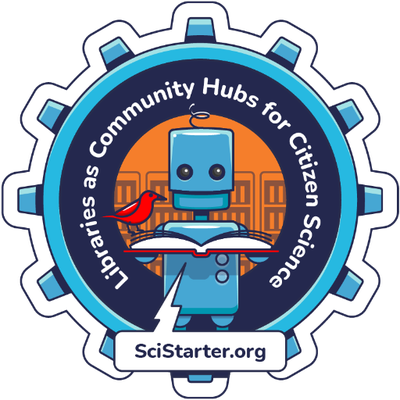
Libraries and Communities
Libraries as Community Hubs for Citizen Science
Serves: Librarians and library staff.
Recognizes: The ability to plan, promote, and sustain community-centered citizen science programming.
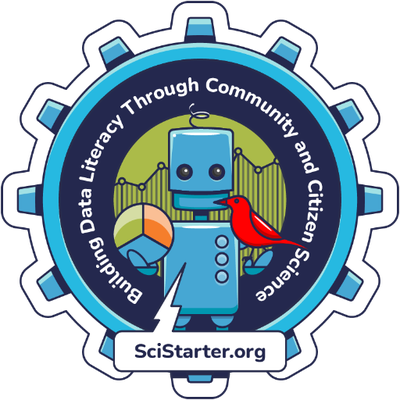
Data Literacy
Building Data Literacy Through Community and Citizen Science
Serves: Citizen scientists and learners.
Recognizes: The ability to interpret data, evaluate data quality, and apply data literacy in citizen science.

Higher Education
Teaching in Higher Education with Citizen Science
Serves: Higher education faculty.
Recognizes: Proficiency in aligning citizen science projects with pedagogy, course objectives, and assessment.
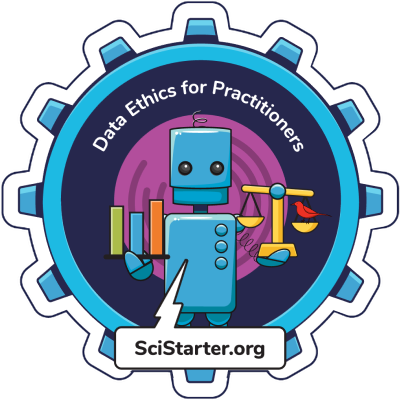
Ethical Practice
Data Ethics for Practitioners
Serves: Participatory science practitioners and project leaders.
Recognizes: Ethical reasoning related to data integrity, governance, obligations, and decision-making power.
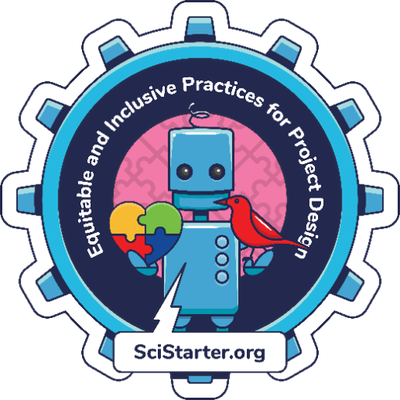
Inclusive Project Design
Equitable and Inclusive Practices for Project Design
Serves: Leaders of large-scale participatory science projects.
Recognizes: The ability to build inclusion, equity, accessibility, reciprocity, and broader participation into project design.
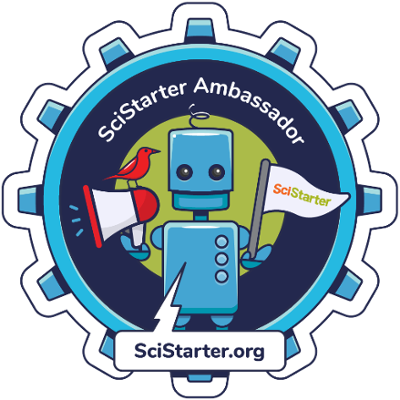
Community Leadership
SciStarter Ambassador
Serves: Community champions and local facilitators.
Recognizes: The ability to champion, connect, and facilitate citizen science activities within communities.
Public Participation
One Million Acts of Science 2024
Serves: Citizen Science Month volunteers.
Recognizes: Verified participation in SciStarter-affiliated projects and contribution toward the campaign’s collective scientific goal.
Public Participation
One Million Acts of Science 2025
Serves: Citizen Science Month volunteers.
Recognizes: A repeatable annual model for making large-scale scientific participation visible, verifiable, and shareable.

Program Storytelling
Turning a growing badge portfolio into a program people could access and navigate.
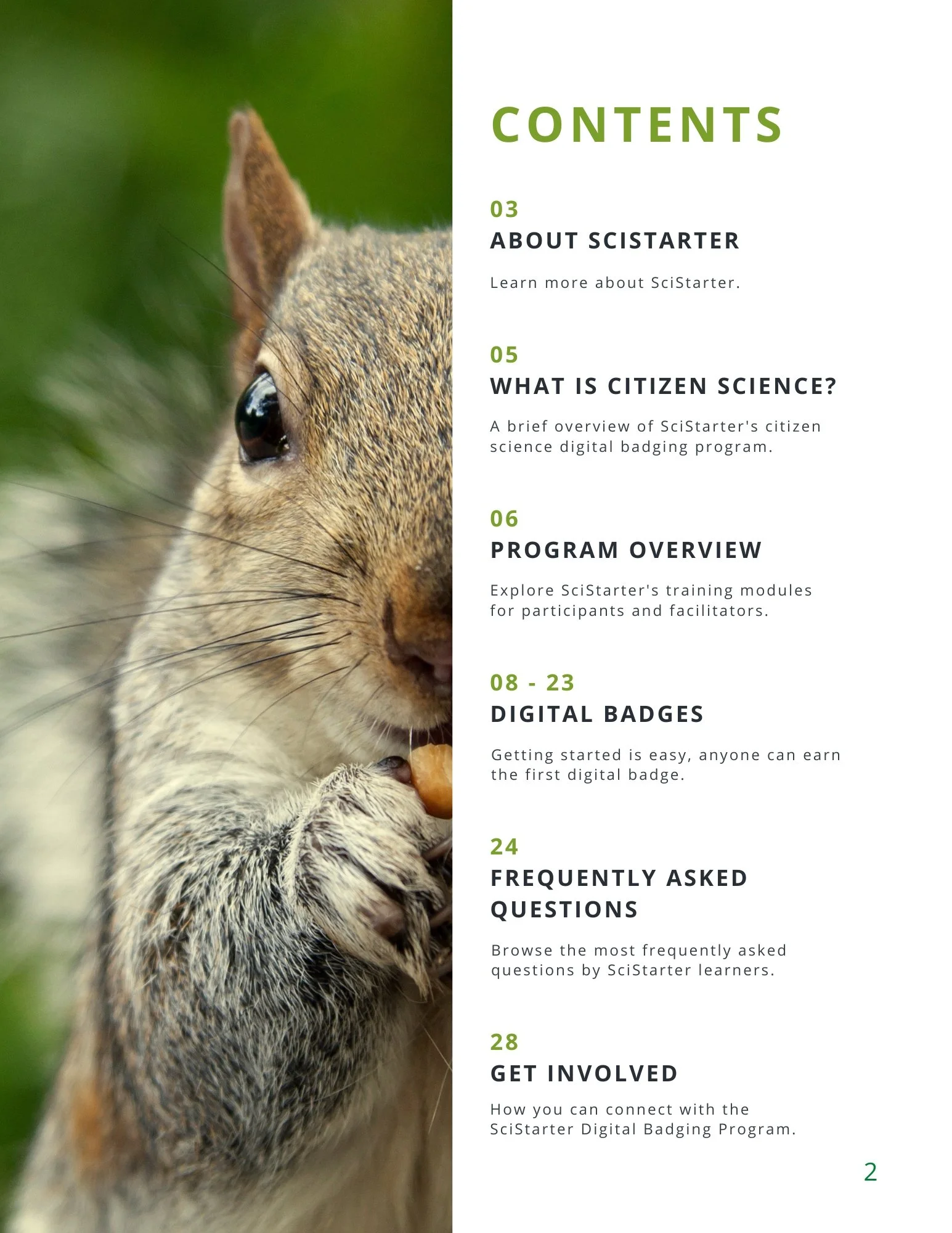
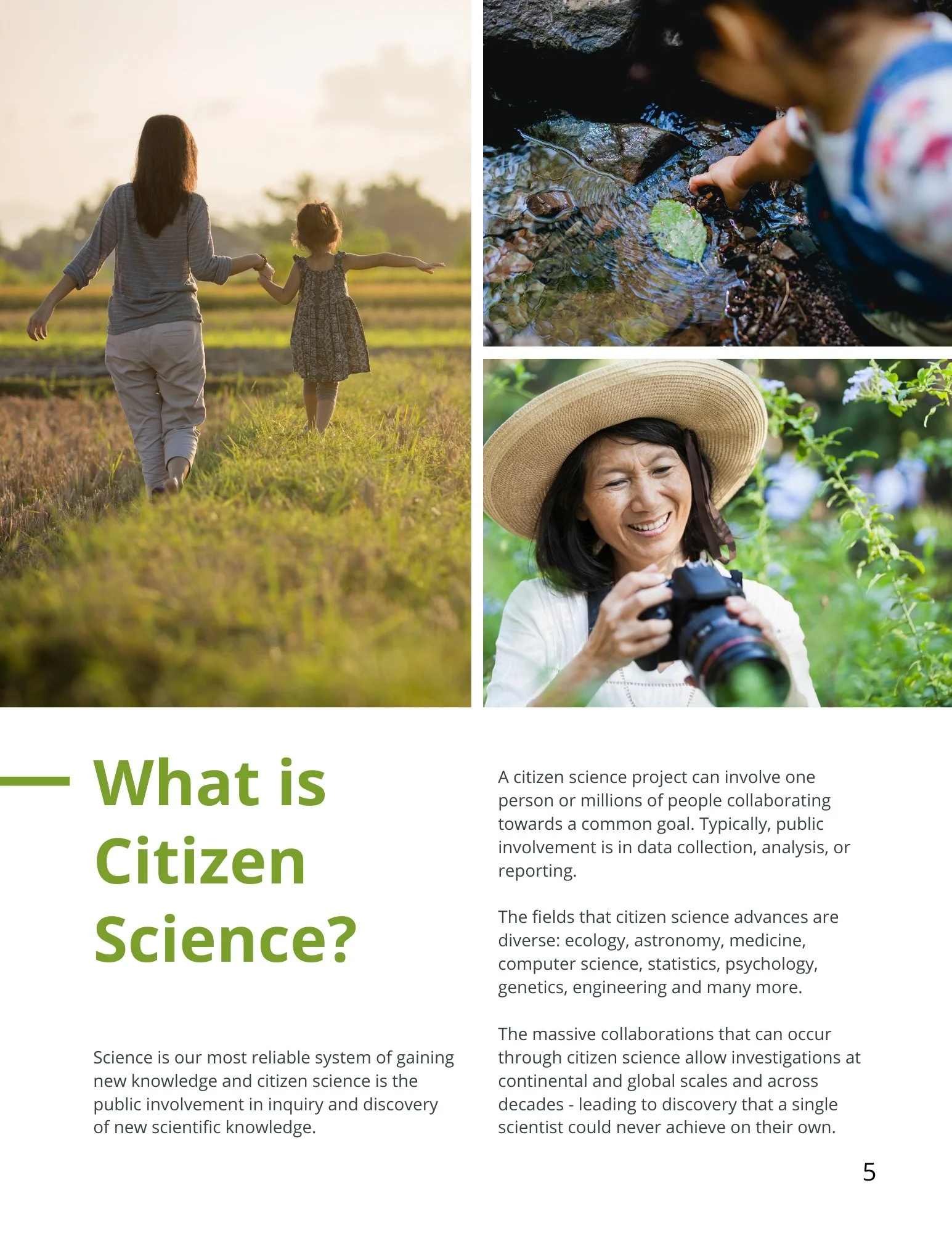
As the credential ecosystem expanded, MCM helped SciStarter translate its structure into a definitive public-facing guide. The brochure explains who each badge serves, what it recognizes, how credentials connect, and what every award communicates to learners, educators, employers, and partners.
Explain the ecosystem
Introduce the foundational credential, specialized awards, and the relationships connecting them.
Make evidence transparent
Surface prerequisites, assessment expectations, learning outcomes, skills, and recognized competencies.
Serve multiple audiences
Give learners, facilitators, educators, organizations, and partners clear ways to understand and use the program.
Keep the story current
Maintain versioned editions as credentials, criteria, funding language, and program opportunities evolve.
Field Building
Taking a working credential model into the field.
In parallel with the SciStarter engagement, MCM joined SciStarter and a NASA Partner organization to help participatory science leaders explore how digital credentials could recognize volunteer learning, contribution, and skill.

Session
Building Reciprocity via Badges: An Exploration of Platforms and Potential
A collaborative Ideas-to-Action session connecting real credential program experience with the recognition needs of participatory science organizations.
Moving digital badges from abstract possibility to practical design.
The session used SciStarter’s credential work as a real-world example of how learning, contribution, and skill can become visible, portable, and verifiable. Rather than prescribing a single model, the presenters helped participants examine what recognition could mean within their own programs and communities.
Participants completed a “What, How, and Why” exercise to identify what their programs could recognize, how achievement could be verified, and why that recognition would matter to volunteers and partner organizations.
Share a working model
SciStarter provided a concrete example of how badges can recognize volunteer learning, experience, and scientific contribution.
Connect strategy to implementation
The discussion linked badge purpose with evidence, assessment, platform choices, skills, and the experience of the people earning recognition.
Help others design their own approach
Participants left with a practical framework for identifying useful, credible recognition opportunities within their own programs.

Build What Comes Next
Ready to make learning, contribution, and skill visible?
MCM helps organizations co-create credential ecosystems with clear evidence, meaningful skills alignment, trusted metadata, and a strategy designed to grow.
Start with the question your learners, partners, or communities need recognition to answer.