

Success Stories
From Years of Stop-and-Start to a Learner Record System Ready to Launch.
Central New Mexico Community College
Stackable Credential Pathways Connected to Real Industry Demand
CNM needed more than a renewed strategy for learner records. It needed a concrete workforce pathway that could be launched, tested, and refined — along with the structures required to make future pathways easier to design, review, and scale.
In six months, MCM helped CNM develop a launch-ready pathway and the governance and implementation infrastructure behind it: a credential taxonomy, triage protocol, metadata framework, intake process, and implementation supports.
By the Numbers
One pathway model,
built to scale.
A launch-ready model connecting learners, stackable achievements, governance, metadata, and implementation supports.
Learners served
From strategy to launch-ready
Stackable achievements in the first pathway
Industry-aligned Skills
Pathway Spotlight
The launch-ready workforce pathway, built right the first time.
CNM's first pathway is the working template for everything that follows — six stackable, skills-based achievements that ladder into a summative micro-credential, recognizing more than 50 distinct skills along the way. It's verifiable, standards-aligned, stackable, and connected to real opportunity, so the next pathway starts from a proven model instead of a blank page.
Featured Achievement
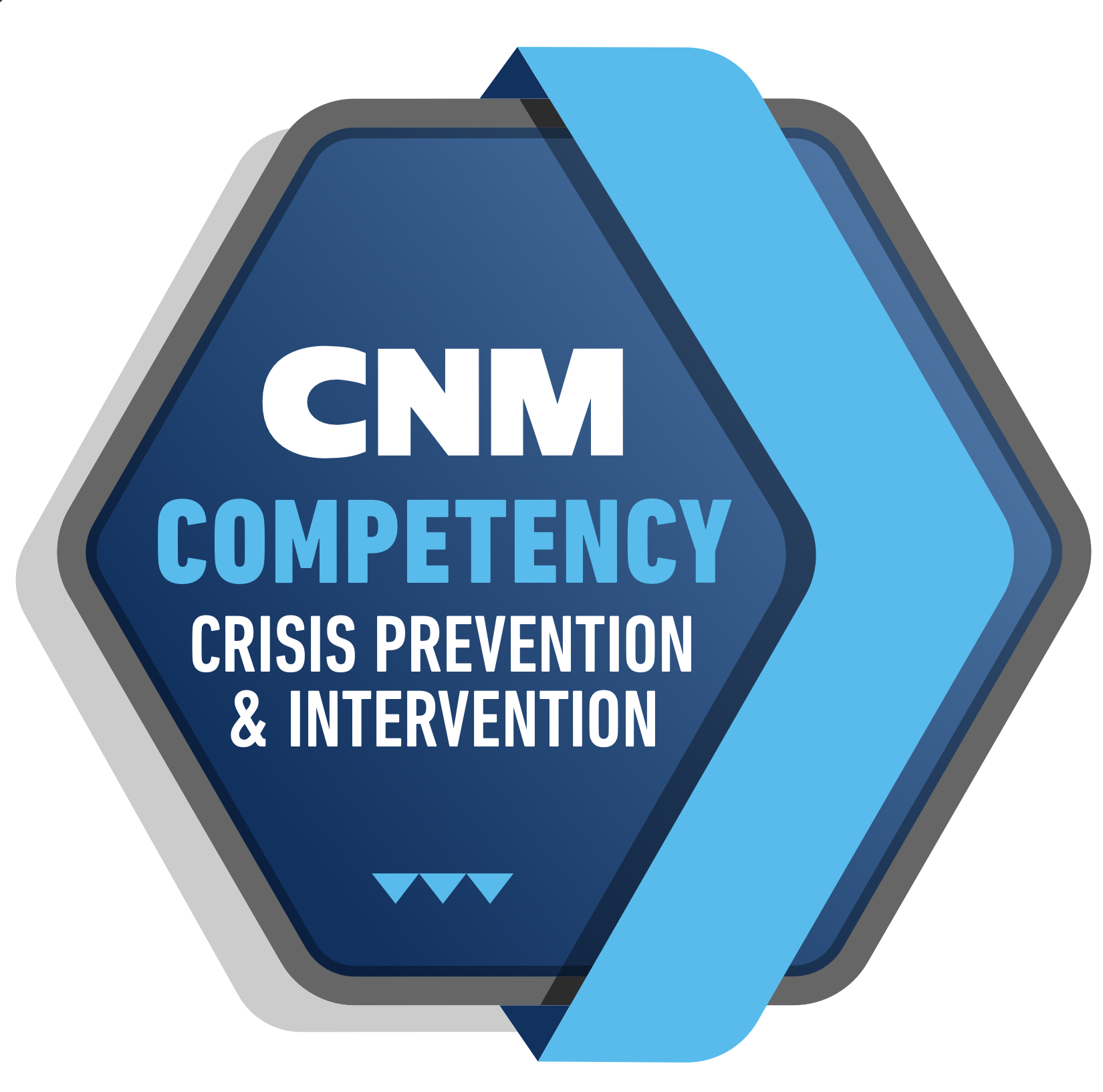
Crisis Prevention & Intervention
One stackable achievement within the Youth Services pathway, designed to recognize practical readiness learners can carry forward.
Clear criteria, skill signals, and evidence of what the learner demonstrated.
Key Learner Personas
Recent grads, GED/HiSET completers, adult learners, career changers, re-entry populations, dual credit students, and incumbent workers.
Stackable credentials leading to a summative micro-credential
Connected academic programs
Community Health Worker, Substance Abuse Counselor, Human Services AA, and Psychology AA pathways.
Stackable workforce training can connect into academic programs and continued education.
Entry-level roles
Youth Care Worker, Community Youth Care Worker, Youth Housing Specialist
Skilled / mid-level roles
Case Manager, Residential Supervisor, Youth Program Coordinator, Youth Housing Coordinator
Advanced roles
Clinical Therapist, Youth Services Director, Clinical Supervisor, Program Manager
Leadership roles
Executive Director, Chief Program Officer, Chief Clinical Officer, Policy Director
Why MCM
Independent expertise for decisions that have to last.
Most providers sell a tool or a strategy deck. MCM works inside the decisions that determine whether a credential system can be governed, implemented, trusted, and reused.
That is how CNM moved from years of stop-and-start to durable infrastructure the institution could own.
CNM was not locked into a vendor’s roadmap.
The work produced institutional infrastructure — definitions, processes, metadata, and implementation supports CNM could carry forward.
Strategy, governance, and systems stayed connected.
MCM helped translate learner record ambition into practical decisions that could survive handoff to platforms, partners, and implementation teams.
The credentials were designed to mean something.
Each achievement could be tied to clear criteria, skill signals, evidence, pathway value, and standards-aligned metadata.
The first pathway became a repeatable pattern.
CNM gained a launch-ready model for future pathways instead of starting over with every new program, partner, or credential idea.
Over the last year, it's been a lot of conversations and meetings exploring definitions and processes. This gives the team the structure and clarity we've been looking for. This document helps us narrow and focus our discussions going forward — especially for the Definitions and Governance sub-team — and gets us closer to launch and implementation.
Joy Forehand, Central New Mexico Community College
Implementation Pathway
Better questions. Better outcomes.
CNM needed a practical way to move from learner record strategy to repeatable decisions. MCM helped turn the right questions into reusable governance and implementation processes.
The challenge
Years of discussion needed a clearer decision structure.
The work was not just about deciding what to badge. It was about creating a shared way to evaluate, define, prioritize, document, and implement credentials across teams.
Why this mattered
The work became repeatable.
Instead of improvising decisions one credential at a time, CNM gained a practical operating model for future pathways.
Processes created
Credential Taxonomy
A shared structure for deciding what CNM is recognizing — and why.
Triage Protocol
A repeatable review process for prioritizing credential opportunities.
Metadata Framework
Implementation-ready information for platform setup and technical handoff.
Workforce Pathway
A launch-ready model connected to learner progression and workforce relevance.
Deliverable Highlight
A practical taxonomy for credential decisions CNM can reuse.
The CNMCC Digital Badge Taxonomy helped translate years of learner record discussion into a shared structure for deciding what should be recognized, how credentials should be categorized, and what information is needed for implementation.

Shared definitions
Clarified the types of credentials CNM could issue and how each type should be understood across teams.
Governance support
Created a common reference point for reviewing, prioritizing, and advancing credential opportunities.
Implementation readiness
Connected taxonomy decisions to the metadata, platform setup, and technical handoff required for launch.
Reusable infrastructure
Gave CNM a practical model for future pathways instead of starting over with every new credential idea.
Ready to Build What Comes Next?
Move from badge pilots to credentialing infrastructure.
Micro-credential Multiverse helps colleges, systems, and workforce partners design skills-based credentials that are rigorous, scalable, portable, and connected to real opportunity.
Start a conversation