

Success Stories
From LER Relaunch to Industry-aligned Workforce Pathways at CNM
Central New Mexico Community College
A learner record system built to scale.
CNM needed more than a renewed strategy for learner records. It needed a concrete workforce pathway that could be launched, tested, and refined — along with the structures required to make future pathways easier to design, review, and scale.
In roughly six months, MCM helped CNM develop a launch-ready pathway and the governance and implementation infrastructure behind it: a credential taxonomy, triage protocol, metadata framework, intake process, and implementation supports.
Implementation Pathway
Better questions. Better outcomes.
CNM needed a practical way to move from learner record strategy to repeatable decisions. MCM helped scaffold the questions that mattered most — then turned those answers into governance and implementation processes CNM could reuse.
Question
What are we badging — and what are we not badging?
Process Created
Credential Taxonomy
A shared structure for categorizing credentials and avoiding disconnected badge activity.
Question
How do we create a scalable, high-quality governance process?
Process Created
Triage Protocol
A repeatable way to review, prioritize, refine, and advance credential opportunities.
Why this mattered
Scaffold the right questions, and the work becomes repeatable.
Instead of improvising credential decisions one at a time, CNM gained a clearer path for making thoughtful, scalable choices.
Question
How do governance outputs connect to integrated data systems?
Process Created
Metadata Framework
Implementation-ready information requirements for platform setup and technical handoff.
Question
How do we align credentials with opportunity pathways?
Process Created
Workforce Pathway
A launch-ready pathway model connected to learner progression and workforce relevance.
Pathway Spotlight: Youth Services
A launch-ready pathway grounded in real learners, roles, and progression.
CNM’s Youth Services pathway connected stackable training, academic options, credit for prior learning, and workforce advancement into a practical model for learner mobility.
Featured Achievement
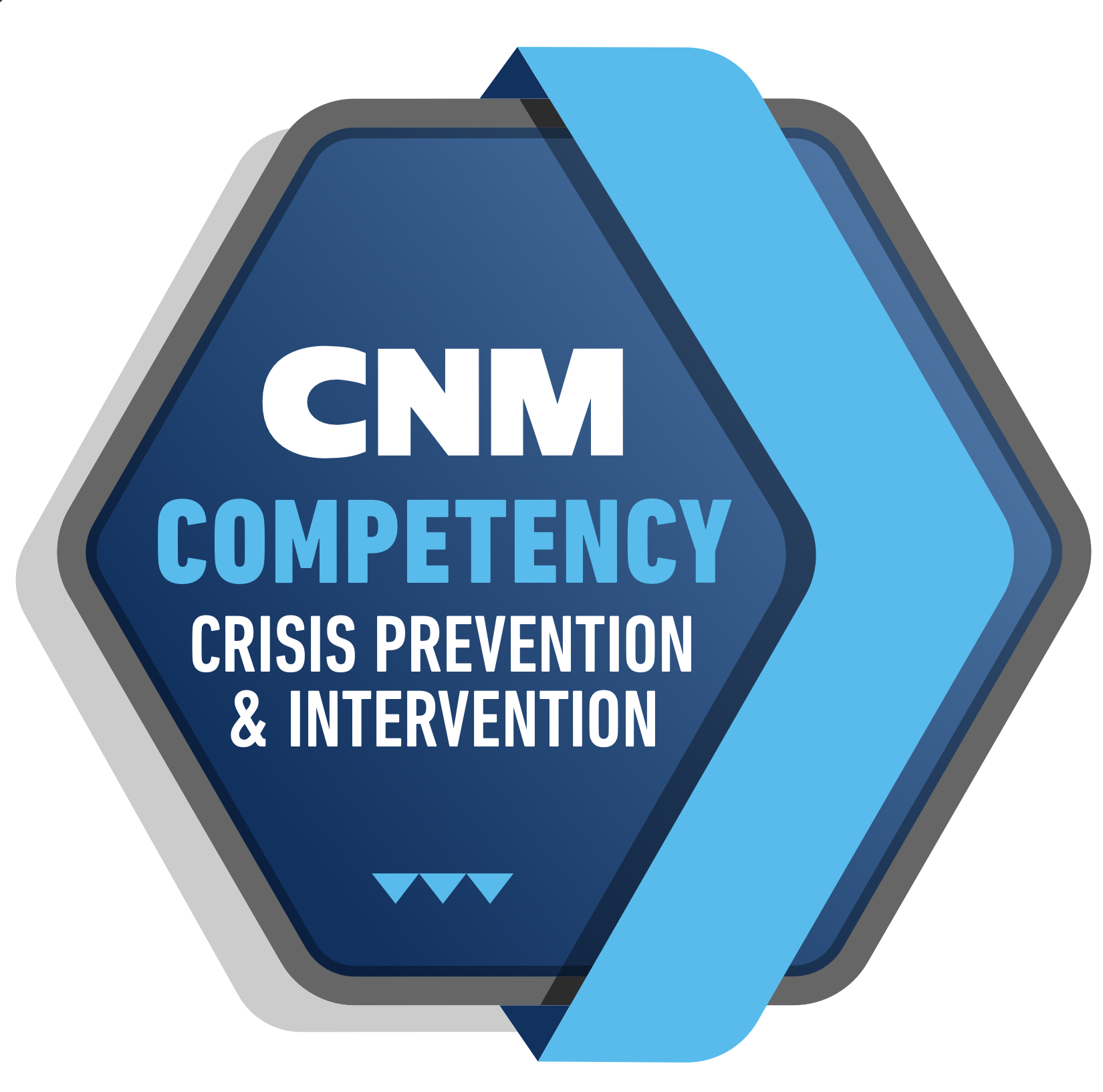
Crisis Prevention & Intervention
One stackable achievement within the Youth Services pathway.
Who is this pathway for?
The pathway was designed for recent grads, GED/HiSET completers, adult learners, career changers, re-entry populations, dual credit students, incumbent workers, and individuals with some college or work experience.
What do learners earn along the way?
Learners can build toward a Youth Services microcredential through stackable achievements that recognize practical readiness for youth care environments.
What jobs does it support?
The pathway starts with entry-level youth services roles, including residential care, drop-in center support, and youth housing support.
What does progression look like?
$31,200–$37,440
$37,440–$43,680
$50,000–$100,000
Strategic operations and systems change
Where did MCM come in?
MCM helped turn the pathway concept into an implementation-ready model: clarifying the credential structure, organizing stackable achievements, grounding the work in real career progression, and connecting governance decisions to metadata and technology implementation.
Credential Showcase
Stackable achievements connected to a real workforce pathway.
CNM’s Youth Services pathway was designed around six stackable achievements that build toward a summative microcredential — connecting training, evidence, metadata, and career mobility.
Featured Achievement
Crisis Prevention & Intervention
One stackable achievement in the Youth Services pathway, designed to recognize a specific competency learners can carry forward.
Stackable Credential Pathway
Six achievements leading to one larger workforce signal.
Connected to Real Opportunities
Designed for youth services career mobility.
Why the Metadata Matters
Trust. Evidence. Outcomes.
The metadata framework made each award more than a graphic. It clarified what was earned, how it was verified, and where it could lead.
Can this credential be understood?
Clear achievement types, descriptions, criteria, and skills help learners, employers, and internal teams understand what the credential represents.
Can this achievement be verified?
Completion requirements and learning outcomes help show that the credential is tied to demonstrated learning, not just participation.
Can this connect to opportunity?
Pathway alignment connects stackable achievements to workforce roles, academic options, and longer-term career mobility.
Deliverable Highlight
A practical source of truth for statewide implementation.
The Digital Badging and Learning Pathway Procedure Manual helped translate strategy into repeatable guidance colleges could use to design, issue, and maintain high-quality micro-credentials.

Issuer strategy
Aligned credential activity across the system around a coherent, scalable approach to micro-credentialing.
Quality guidance
Clarified what should be recognized, how rigor should be maintained, and why each credential should carry value.
Credit and non-credit frameworks
Created structure for recognizing different types of learning while supporting consistency across programs and colleges.
Pathway architecture and governance
Established shared definitions, design logic, and governance support for long-term quality and continuous improvement.

Learner Perspective
Credentialing connected to real career mobility.
Savannah Technical College’s partnership with the Heroes Make America program at Fort Stewart helped service members transition into civilian manufacturing and logistics careers.
“Manufacturing is a crucial industry... it has incredible opportunities at all skill levels. You still deal with people; you still deal with some type of chain of command. You have goals for the day, week, and quarter. In the military, we talk about missions, and that's still what we do here.”Fernando Gonzalez, recent Heroes Make America graduate
Independent Evaluation
Georgia Policy Labs, Final Evaluation of the TCSG SCC Micro-Credentialing Project
“The SCC Micro-Credentialing project achieved remarkable success in accomplishing a host of profound systems changes.”Read the independent evaluation
Ready to Build What Comes Next?
Move from badge pilots to credentialing infrastructure.
Micro-credential Multiverse helps colleges, systems, and workforce partners design skills-based credentials that are rigorous, scalable, portable, and connected to real opportunity.
Start a conversation